A pH meter is an electronic instrument used to measure the pH (acidity or alkalinity) of a liquid (though special probes are sometimes used to measure the pH of semi-solid substances, such as cheese).
A typical pH meter consists of a special measuring probe (a glass electrode) connected to an electronic meter that measures and displays the pH reading.
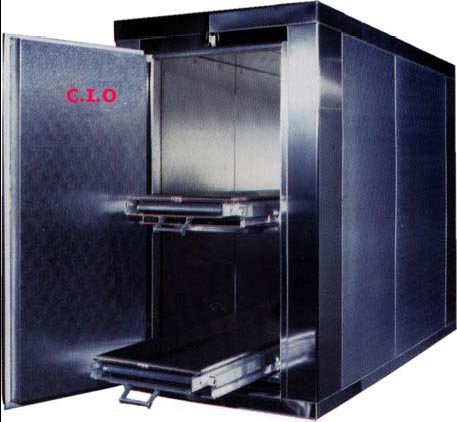
INSULATION: 4” (102 mm) of poured-in-place Bally special formulated
polyurethane insulation. UL listed, Factory Mutual Class I.
Zero-Ozone Depletion Potential (0 ODP) urethane.
HARDWARE: Brushed Satin Aluminum edge mount hinges and latch.
GASKET: Replaceable Extruded Vinyl.
LIGHTS: Optional Vapor Proof Incandescent with Toggle Switch and
pilot light.
THERMOMETER: Built-in Flush Mounted 2” (51 mm) Dial Type. REFRIGERATION: A “performance rated”, air-cooled, hermetically
sealed, indoor condensing unit with matched evaporator coil.
ELECTRICAL: 220/1/60 & 220/1/50 (other electricals available)
SANI-TRAY: Aluminum channel rack (non-telescopic) with removable
type, 12 Gauge, smooth aluminum welded construction tray.
When Customer Focus is Critical,
Machines of this sort are general purpose microtomes for cutting semi-thin to thin sections for light microscopy.
The microtome operation is based upon the rotary action of a hand wheel activating the advancement of a block towards a rigidly held knife.
The block moves up and down in a vertical plane in relation to the knife and therefore cuts flat sections.
The rotary microtome can also be found in most cryostats for cutting frozen sections.
Section thickness settings range from 0.5µm to 60µm on most machines. Sections of paraffin wax embedded tissues are normally cut within the range 3 to 5µm whilst resin sections are between 0.5 to 1µm. Rotary microtomes are especially suited to cutting sections using disposable steel knives.